The Art of Photography
From Observation to Creative Image
Photography is about far more than simply pressing the shutter button. At its best, photography is about seeing — noticing light, colour, shapes, textures, patterns and moments that might otherwise pass unnoticed.
Whether you're using a smartphone, compact camera, mirrorless camera or DSLR, developing your photographic eye can make a far greater difference than simply upgrading your equipment.
Learning to See Differently
One of the most important skills in photography is learning to really observe your surroundings.
Before taking a photograph, stop and ask yourself:
What has caught my attention?
It could be dramatic light falling across a landscape, an interesting architectural detail, reflections in water, contrasting textures or simply an unusual moment.
Once you've identified your subject, consider what is drawing the viewer's eye and whether the composition helps tell the story you want to tell.
Sometimes the most ordinary locations can produce fascinating photographs when viewed from a different angle.
The Importance of Composition
Good composition can transform a snapshot into a photograph.
There are many techniques that can help create a stronger image, including the;
Rule of Thirds
Leading Lines
Natural Framing
Symmetry
Balance
Foreground Interest
Negative Space.
Leading lines such as roads, paths, railway tracks, fences or architectural features can guide the viewer through an image.
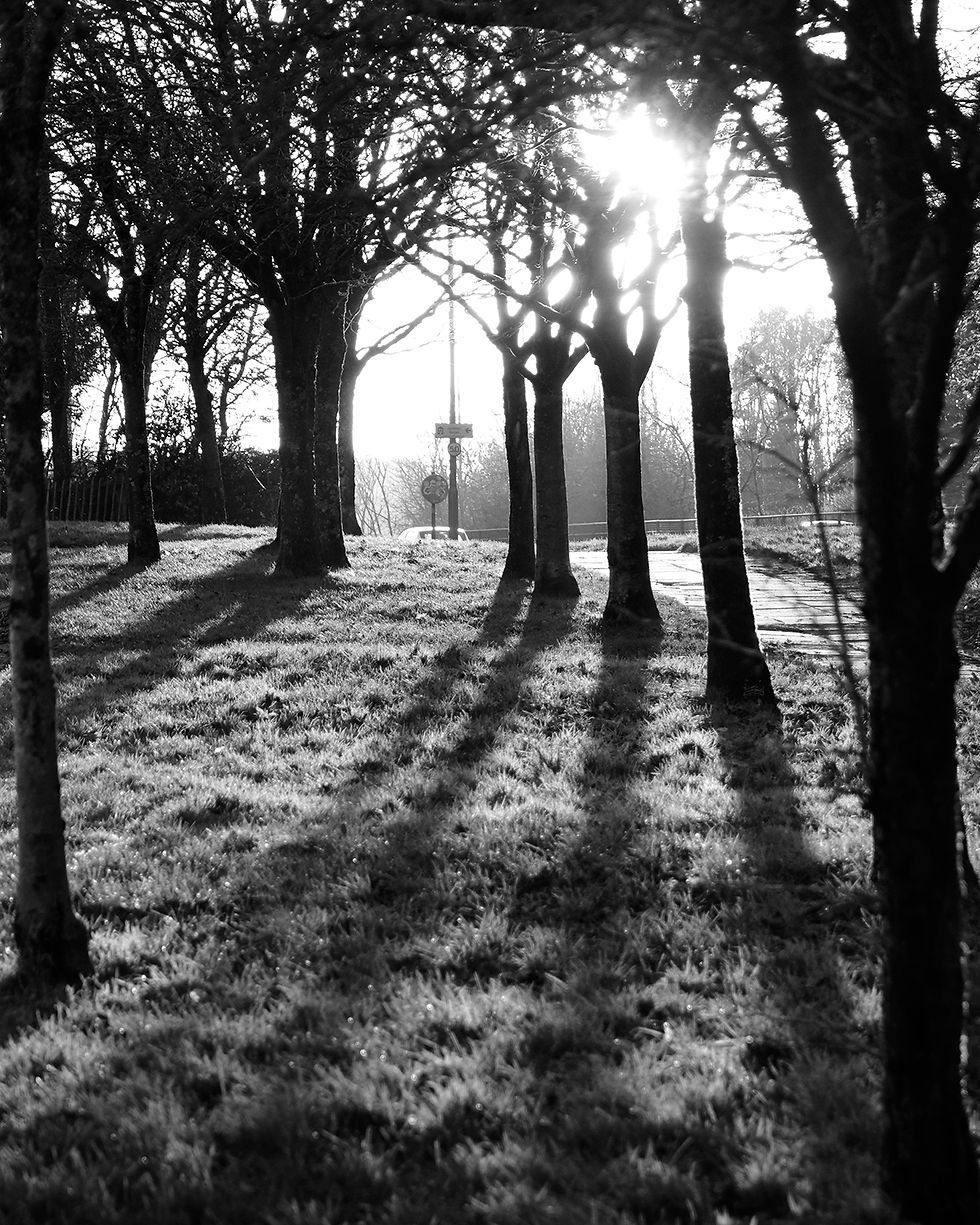
Natural framing can be created using trees, arches, windows, rocks or other objects within the scene. Rather than simply photographing the subject, you can use the surroundings to create layers and depth.
Don't be afraid of empty space either. Sometimes giving your subject room to breathe can make an image considerably more powerful.
Look for Light, Shadow and Texture
Light is one of the most important ingredients in photography.
The same location can look completely different depending on the time of day, direction of the light and weather conditions. Shadows can add depth and drama, while softer light can create a calmer and more atmospheric image.
Textures can also provide fantastic photographic opportunities. Look closely at buildings, walls, trees, rocks, roads and natural landscapes. Combining textures, patterns and contrasting surfaces can create images that are interesting even when there isn't an obvious subject.
A Different Perspective
One way to make your photography more interesting is to change your viewpoint.
Instead of always photographing from eye level, try getting lower down, moving closer to your subject or finding a higher viewpoint. A different perspective can completely change the relationship between objects within the frame.
This is one reason aerial and drone photography can be so effective. Looking down on a landscape can reveal patterns, symmetry and a sense of scale that isn't always visible from the ground.
You don't need a drone to experiment with perspective, though. Simply changing where you stand can sometimes make all the difference.
Photography Doesn't End When You Press the Shutter
The creative process can continue after you've taken the photograph.
Modern editing software and even the editing tools built into phones and computers provide a wide range of possibilities. Simple adjustments such as cropping, straightening, exposure, brightness, contrast, highlights and shadows can dramatically improve an image.
Colour adjustments such as temperature, tint, saturation and vibrance can also change the mood of a photograph.
Other creative tools can be used to enhance detail, sharpen an image, add a vignette or remove small distractions.
The key is to edit with intention.
Ask yourself:
What feeling do I want this photograph to have?
And perhaps more importantly:
Am I enhancing the photograph or simply adding effects for the sake of it?
Post-production isn't about making every photograph look artificial. It is about helping the final image reflect the vision you had when you pressed the shutter.
Developing Your Own Style
As you experiment with photography and editing, you will gradually begin to discover what interests you.
Perhaps you are drawn towards dramatic landscapes. Maybe architecture, street photography, portraits, wildlife, abstract details or black-and-white imagery catches your attention.
There are no rules saying you have to photograph one particular subject.
Experimentation is part of the process. Try different compositions, viewpoints, lenses, editing techniques and lighting conditions. Some experiments will work beautifully. Others won't. Both are valuable because they help you understand what works for you.
Over time, these choices begin to form your own photographic style.
You Don't Need the Most Expensive Camera
It is easy to become distracted by cameras, lenses and accessories, but equipment is only part of the equation.
The best camera is the one you have with you — but the best photographs come from observation.
A fantastic camera cannot automatically recognise a great composition, find an interesting viewpoint or understand why a particular moment is worth capturing.
Those skills come from practice.
So next time you are out with your camera or phone, don't just look for something to photograph. Look for something interesting to say with your photograph.
Find the light.
Look for the lines.
Notice the shadows.
Explore the textures.
Change your viewpoint.
And most importantly, keep looking.
Because photography isn't simply about capturing what you see.
It's about learning to see.

Comments